Frequently asked questions
Discover the benefits of remote bookkeeping and what your business can expect working with Art of Bookkeeping.

Remote bookkeeping
4 questions
What is remote bookkeeping?
Remote bookkeeping (also known as virtual bookkeeping and/or cloud-based accounting) is a service by which a person or entity performs bookkeeping and/or accounting services without regard for location. In simpler terms, a company like Art of Bookkeeping is able to do your books without having to come to your office.
What are the benefits of remote bookkeeping?
Benefits include the ability to communicate with AOB at any time, any day. Documents and data can be sent to us electronically, and we send information back to you the same way. This approach also provides an affordable option to overhead related costs of office space and bookkeeping personnel.
Are there disadvantages to remote bookkeeping?
In a perfect world, there would be a one-size-fits-all solution for everyone's bookkeeping needs. Even though remote bookkeeping is a superior solution, there are some minor disadvantages. This approach to business accounting may not be a comfortable fit for some business owners. We get it. Since remote services are not for everyone, take advantage of our free initial consultation to see if our onsite services are a more comfortable fit for you (available only in the Greater Phoenix Area). This is still an affordable option over the high cost of personnel. Talk to us and we'll help you evaluate the best fit for you.
Do I have to have my books done remotely?
In short, no. We do offer regular onsite services in the Greater Phoenix Area; however, in some circumstances, we are also available to meet in other regions for an initial face-to-face meeting. From there, we will set up remote services and then schedule subsequent face-to-face meetings as necessary. Due to added time commitments with travel, regular onsite services are only available on a case-by-case basis.
Our services
5 questions
Do you offer other services than those listed?
Yes, we do! The services listed are the main ones we provide; however, we can help with other operational and financial projects as well. Need to form a new business entity? Looking for business insurance? How about setting up QuickBooks on your system? Do you or your staff need bookkeeping training? Would you like to learn the powerful benefits of using Excel? We have the expertise to assist you in all of your business bookkeeping, accounting, and administrative requirements. Contact us today for a 'no obligation' consultation.
What are accounts payable?
An Accounts Payable system is traditionally used in accrual basis accounting, meaning that your company may have balances due to vendors on a short term basis at any given time. While accounts payable can also be used in a cash basis system, your books would be converted at year end for tax reporting purposes. In either case, an A/P system is a useful tool in most business applications.
Accounts Payable systems offer a variety of benefits such as knowing how much your business owes its vendors, having the ability to pull history and statistical reports, and having internal control. Additionally, it can be an effective way to save money. Many vendors offer extended terms, such as 30, 60, or 90 days to pay on invoices. These and other discounts can be implemented by using a well-designed A/P system. Job costing and inventory control can be used in conjunction with accounts payable and receivable systems.
The history and information available to your company from vendor history to product purchasing can give a business the ability to maximize its profit. This information can play an important part in strategic planning. We have the skill and expertise to set up and implement an accounts payable system in your business. Contact us today and enjoy the benefits of learning how to pay less through purchasing power and how to save money by eliminating costly mistakes.
What are accounts receivable?
An Accounts Receivable system is traditionally used in accrual basis accounting, meaning that your company may have money due from clients or customers on a short term basis at any given time. While accounts receivable can also be used in a cash basis system, your books would be converted at year end for tax reporting purposes. In either case, an A/R system is a useful tool in most business applications.
An effective Accounts Receivable system offers the ability to track money owed by your client base on extended credit terms. It is an asset to your business and is generally watched closely by its owners and managers. There are many other benefits to an A/R system. The reporting ability empowers its owners by providing tools for budgeting and projecting future cash flow. It provides customer purchasing and payment histories. Other historical data can provide statistical information such as evaluating growth patterns, determining seasonal behaviors, and understanding product or service preferences. Job costing and inventory control can be used in conjunction with accounts receivable and payable systems.
We have the skill and expertise to set up and implement an accounts receivable system in your business. Contact us today and enjoy the benefits of knowing who owes you money.
What are bank reconciliations?
Performing bank reconciliations is an essential part of every business operation. To know at all times how much money your operation has and to have confidence in the accuracy of your bank balance is not only important for managing overhead, it provides a measure of internal control. All bank, savings, and credit card accounts should be managed by monthly reconciliations that are balanced to bank issued statement(s). We provide this critical service. If you are not using a well-managed bank reconciling procedure, please contact us today. We have the expertise to clean up your books to reflect accurate balances. We will perform monthly bank reconciliations and provide your business with these reports.
What are financial statements?
Financial Statements provide the financial condition and net income of your company. While the information on the balance sheet and profit and loss (or income) statements is most important to owners and vested parties, it is sometimes needed for outside interests such as potential investors, lenders, or taxing authorities.
The accuracy of information on these statements is based on the day-to-day posting to the general ledger system. Misrepresentation of the company's financial condition and profit can take place when these postings are done inaccurately. Damage can be extensive and costly.
Information is powerful, and profit is what you work for. Let us help you understand your company's financial condition. We have years of experience in the day-to-day application of business bookkeeping and accounting. And we understand the importance of accurate general ledger posting. If you are a new or existing company, we can set up an accounting system for your operation. If you believe your existing operation reflects inaccurate accounting information, we can provide audit and clean up of your existing books. Enjoy the benefit of having current and historical information represented in your profit and loss statements. Benefit, too, from reporting tools for strategic planning.
Our company
2 questions
How long have you been doing this?
Cheryl Holmes has more than 30 years of accounting and bookkeeping experience, in-house and on contract, across dozens of industries.
What accounting software do you use?
We are adaptable to many accounting platforms. If your business uses software that you prefer and wish to keep, we'll work with you to keep it that way. Our customary software includes QuickBooks and Sage (Peachtree). If your office does not have the latest and greatest, we can help. Contact us to discuss the best fit for you.
General questions
3 questions
What is my cost to have an employed bookkeeper or accountant?
Of course this varies depending on factors such as location, skill level, and time demands. But we did some research and have arrived at some estimates. Take a full-time, employed bookkeeper with vacation, holiday, sick, healthcare, workers compensation, and retirement benefits earning $35 per hour. Add to that the cost of office space, software and equipment. Your business can pay from $93,000 to $105,000 a year, or $7,750 to $8,750 per month for an employed bookkeeper or accountant.
What are the benefits & savings from having a remote bookkeeper?
- Current accounting records each week, month, or quarter, depending on your service.
- Accurate, reconciled bank balances, plus accurate receivables, inventory, payables, sales tax, and payroll reporting.
- Monthly or quarterly financial reports, and year-end records sent to your CPA. We work directly with your CPA.
- Records ready for bank loans, vendor credit, taxing authorities, and audits.
- Savings on overhead: up to $105,000 a year on an in-house bookkeeper, $2,000 to $4,800 on office space and equipment, and $1,200 on supplies, ink, and postage.
- Support by phone and email, and onsite where available.
How do I become an Art of Bookkeeping client or learn more?
Contact us today for your free, no-obligation consultation.
Become a client.
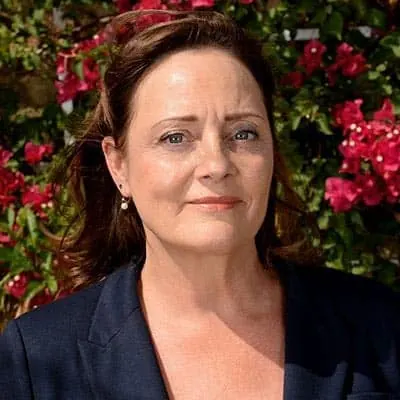
Ready to explore your options? We offer a free, no-obligation consultation.
Send Cheryl a message [email protected]
PO Box 60543, Phoenix, AZ 85082. In most cases, you'll hear from us within 48 business hours.